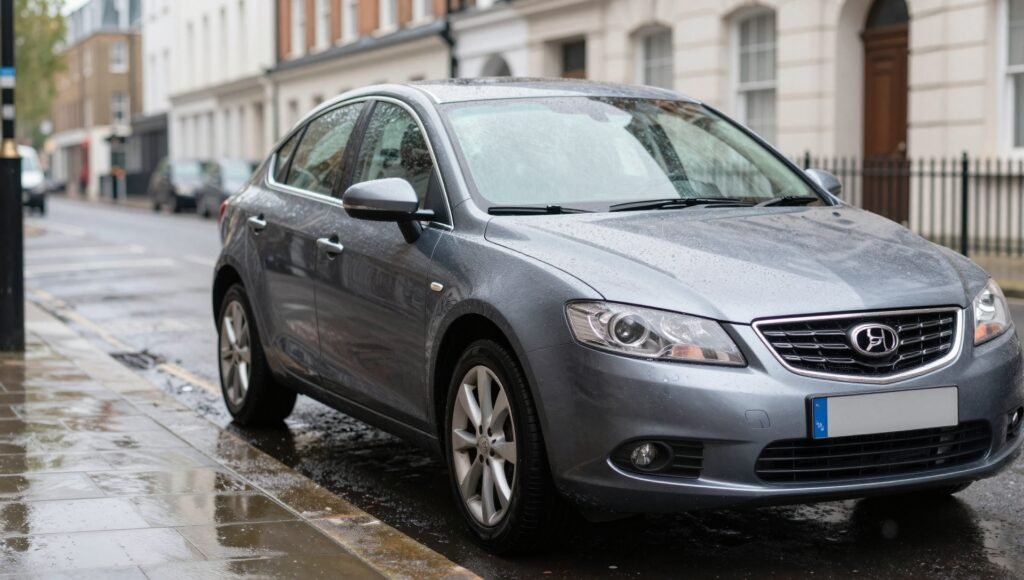
After washing a car, a careful dry makes the difference between a clean finish and a patchwork of water spots. The right Car Drying Towels can absorb rinse water quickly and help reduce streaks, but the towel is only part of the story: its material, condition and the way you use it all matter.
I’ve put together this guide to help UK drivers choose a suitable towel, use it safely and keep it performing well. It covers towel types, practical drying steps and what to check before buying. I’ll also look at the Glart 44WG Watergate, a large orange microfibre towel featured in the study material. Rather than pretending every towel has been personally road-tested, I’ll separate product specifications and customer-review themes from general car-care advice.
What to look for in a car-drying towel
Start with absorbency, size and softness. A larger towel covers more paintwork per pass, which can speed up drying. However, a very large cloth can become awkward to handle, especially around wing mirrors, door handles and narrow gaps. For many drivers, a towel around 60 × 90 cm is a useful middle ground; smaller cloths can be easier to control, while larger ones may suit big vehicles.
Softness matters because paintwork is a delicate surface. A clean, plush towel used with light pressure is less likely to cause marks than a rough, dirty cloth dragged across the body. Check that the edges are neatly finished, too: poorly finished seams can be less gentle on paint.
A quick buying checklist:
- Material: microfibre is a common choice for absorbency and gentle contact.
- Size: match the towel to your vehicle and how easily you can manage a wet cloth.
- Construction: consider thickness, pile or weave, and whether the towel has finished edges.
- Care instructions: machine-washable towels are convenient, but follow the maker’s label.
- Quantity: a second towel gives you a clean, dry option if the first becomes saturated.
Don’t choose by “super absorbent” wording alone. Look at the towel’s dimensions and construction, then consider how you actually wash and dry your car.
Microfibre, weave and absorbency explained
Microfibre is a fabric made from very fine synthetic fibres, commonly polyester and polyamide. Its fine strands create a large surface area that can hold water and pick up residue. That makes it popular for car care, glass cleaning and household drying. It is not magic, though: a towel’s absorbency depends on its specific fabric, pile, thickness, condition and how wet it already is.
You may see towels described as plush, waffle-weave or twisted-loop. A plush surface feels soft and is versatile for general drying. Waffle-weave cloths have a textured pattern and are often valued for glass and lighter drying jobs. Twisted-loop towels use longer loops and are designed to collect water efficiently; some are thicker or heavier than standard microfibre cloths.
Weight is sometimes expressed in GSM, meaning grams per square metre. A higher GSM can indicate a denser or heavier towel, but it doesn’t automatically prove better drying performance. Fabric design and quality count as well.
There’s also a practical distinction between a drying towel and a polishing cloth. A drying towel removes rinse water; a polishing cloth is intended for buffing products or finishes. They may both be microfibre, but that doesn’t make them interchangeable. Keep separate cloths for drying, polishing, wheels and household jobs to reduce the chance of transferring grit or product residue.
Types of car-drying towels compared
Different designs suit different jobs. Here’s a simple comparison to guide your choice:
| Towel type | Often suits | Advantages | Possible drawbacks |
|---|---|---|---|
| Standard microfibre | Everyday car drying | Versatile, soft and widely available | Performance varies by thickness and weave |
| Plush microfibre | Paintwork and general use | Soft feel; useful across several surfaces | Can feel bulky when saturated |
| Twisted-loop | Fast drying after a full wash | Designed to take up water efficiently | Some options cost more or are heavier |
| Waffle-weave | Glass and lighter drying | Textured surface; easy to fold and handle | May need more passes on a very wet vehicle |
| Chamois-style cloth | Traditional drying routine | Smooth, compact and familiar to some drivers | Can feel less forgiving if grit is trapped |
These are broad categories, not guaranteed performance rankings. A well-made standard microfibre towel can suit a careful home wash perfectly well, while a premium design may be worthwhile for frequent detailing.
For a typical UK hatchback, one large towel may be enough after a thorough rinse, but weather, vehicle size and water left on the car all affect the result. An estate, SUV or van may need a second towel. If you often dry glass separately, keep a dedicated glass cloth on hand rather than using a towel that has touched wheels or lower bodywork.
How to dry a car without streaks or scratches
A clean towel cannot compensate for a gritty car, so begin with a thorough wash and rinse. If dirt remains on the paint, rubbing a towel over it may drag particles across the surface. Once the car is clean, work methodically and use light pressure.
- Shake out and inspect the towel. Check for grit, hair or debris before it touches the paint.
- Start at the roof and windows. Water tends to run down, so drying high areas first helps avoid re-wetting panels.
- Lay or glide the towel gently. Let the fabric absorb water rather than scrubbing. Use straight, controlled passes and turn to a clean section as needed.
- Fold the towel into manageable sections. This makes it easier to keep track of which areas are clean and dry.
- Finish with lower panels and wheels. These areas collect more road grime. Ideally, use a separate cloth for wheels.
- Check crevices and mirrors. Water trapped around badges, trim and mirror housings may drip after you think you’re done.
Hard water can leave mineral spots if droplets dry on the vehicle, so drying promptly is useful. In warm or windy weather, work in smaller sections before water evaporates. If the towel starts to feel saturated or begins leaving damp trails, switch to a fresh one rather than pressing harder.
Is the Glart 44WG Watergate towel worth considering?
The Glart 44WG Watergate is listed as an orange, rectangular microfibre drying towel measuring 60 × 90 cm, with one towel in the standard option. Its stated uses include drying car paint, windows, chrome and other vehicle surfaces; the listing also mentions household and kitchen uses. It is described as machine washable.
Customer feedback in the supplied listing is generally positive: the product is rated 4.7 out of 5 from 13,881 global ratings. Review themes include absorbency, drying speed, softness and streak-free results. Some reviewers say it handled a car in one go, while others report needing two towels or finding that it became saturated sooner than expected. That variation is normal: vehicle size, rinse water, weather and user expectations differ.
There are a couple of details worth checking before purchase. The listing’s material percentages are inconsistent in different sections, so confirm the product label or current seller information if the exact blend matters to you. The page also says it is developed in Germany while listing China as the country of origin; those details refer to different things and aren’t necessarily contradictory.
At around 60 × 90 cm, it is a practical size for many home users. I’d consider it if you want a reusable, machine-washable drying towel, but I wouldn’t assume one towel will always dry every vehicle without wringing or a second cloth.
The practical advantages and trade-offs
A useful drying cloth should make the post-wash routine quicker without encouraging heavy rubbing. Based on the product information and review themes, this style of towel offers several appealing benefits.
Pros
- Large enough to cover useful areas in fewer passes.
- Microfibre construction is intended to absorb water and feel gentle on surfaces.
- Suitable for several car surfaces, including paint and glass, when clean.
- Machine-washable care makes repeated use convenient.
- Customer feedback is strongly positive overall, with many reviewers praising its drying performance.
Cons
- The towel may become saturated before a large vehicle is fully dry.
- A large wet cloth can be cumbersome to fold and move around.
- Some customers report fibres or lint during early use, so inspecting and washing a new towel is sensible.
- The product page contains inconsistent material-composition details.
- A high average rating cannot guarantee that the towel will suit every car, climate or drying style.
The main trade-off is capacity versus handling. Bigger towels can dry more area, but they also hold more water and can feel heavier. If you have limited storage or prefer a light, easy-to-control cloth, two smaller towels may work better than one oversized option.
How to wash and store microfibre towels
Good care helps a microfibre cloth stay useful for longer. First, separate car towels from household laundry, especially items that shed lint. Keep wheel and lower-body cloths apart from towels used on paint. A speck of grit is easy to miss and can undermine otherwise careful drying.
Follow the care label, but these general habits are sensible:
- Wash microfibre separately or with similar lint-free fabrics.
- Use a mild detergent and avoid fabric softener, which can leave residue on the fibres.
- Avoid washing with cotton towels that shed lint.
- Dry according to the manufacturer’s instructions; avoid excessive heat.
- Store the towel clean and dry in a closed container or dedicated bag.
If a towel smells musty, feels greasy or stops absorbing water properly, wash it before using it on paintwork. Don’t use a cloth that has been dropped on the ground until it has been thoroughly cleaned. And if it remains rough, damaged or visibly contaminated after washing, retire it from delicate paintwork and use it for less sensitive jobs instead.
Choosing the right towel for your car and routine
Think about your vehicle, washing setup and how much water remains after rinsing. A small car dried in mild weather may need less towel capacity than a large SUV washed on a cold, wet day. If you use a final rinse that leaves fewer droplets, you may also find drying easier. Your routine matters as much as the product label.
For occasional home washing, a mid-sized microfibre towel and a separate glass cloth are a sensible starting point. If you detail vehicles regularly, consider keeping several towels sorted by task: paint, glass, wheels and interior. That system reduces cross-contamination and means you can change cloths as soon as one becomes damp or dirty.
Before paying extra for a premium towel, compare its dimensions, construction, care needs and replacement cost. Reviews can help identify common experiences, but read them for specifics: is the reviewer drying a compact car or a large van? Are they discussing the same size and product variant? Those details can change the meaning of a review.
For UK drivers, the weather adds another wrinkle. On a breezy day, dry one section at a time; in direct sun, move quickly before droplets evaporate. There’s no single perfect towel for every situation. The best choice is one you can keep clean, handle comfortably and use with a light touch.
Frequently asked questions about car-drying towels
Can a microfibre towel scratch car paint?
A clean, soft microfibre towel used gently is designed for paintwork, but no cloth is scratch-proof. Grit, damaged fibres or heavy pressure can leave marks. Wash the car first, inspect the towel and glide it lightly over the surface.
How many towels do I need to dry a car?
It depends on the vehicle’s size, the towel’s capacity and how much water remains after rinsing. One large towel may be enough for some cars; an SUV or van may need a second. Keep a spare clean towel available.
Should I wash a new drying towel before using it?
It’s sensible to wash a new towel according to its care label before its first use. This can remove loose fibres or manufacturing residue. Use a suitable detergent and avoid fabric softener.
Can I use the same towel on paint and wheels?
It’s better to use separate towels. Wheels and lower body panels collect grit and brake dust, which you don’t want to transfer to delicate paintwork or glass.
Are expensive drying towels always better?
Not necessarily. Price alone doesn’t guarantee better absorbency or safer construction. Compare size, weave, material, care instructions and relevant reviews, then choose a towel that suits your vehicle and routine.
Is a chamois better than a microfibre drying towel?
There isn’t one universal winner. Many drivers prefer microfibre for its softness and ease of use, while others like the smooth feel of a chamois-style cloth. Whichever you choose, keep it clean and avoid dragging it over grit.
Final thoughts
The best drying routine starts with a clean car and a clean towel. Choose a size you can handle, use light pressure, work from top to bottom and keep separate cloths for wheels and paint. Microfibre is a practical option for many UK drivers, but towel design, care and vehicle size all affect the result.
The Glart 44WG Watergate stands out in its listing for its 60 × 90 cm size and favourable customer feedback, though some drivers may need a second towel. Compare the details, treat review ratings as guidance rather than a guarantee, and look after your cloth. With a little care, Car Drying Towels can make post-wash drying simpler and help leave your vehicle looking clean and streak-free.