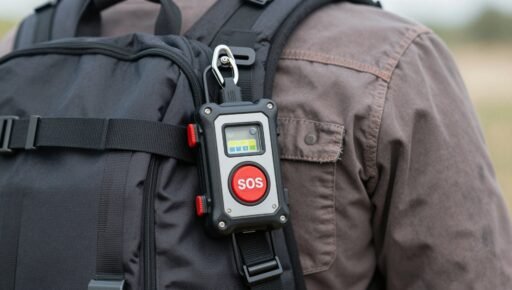
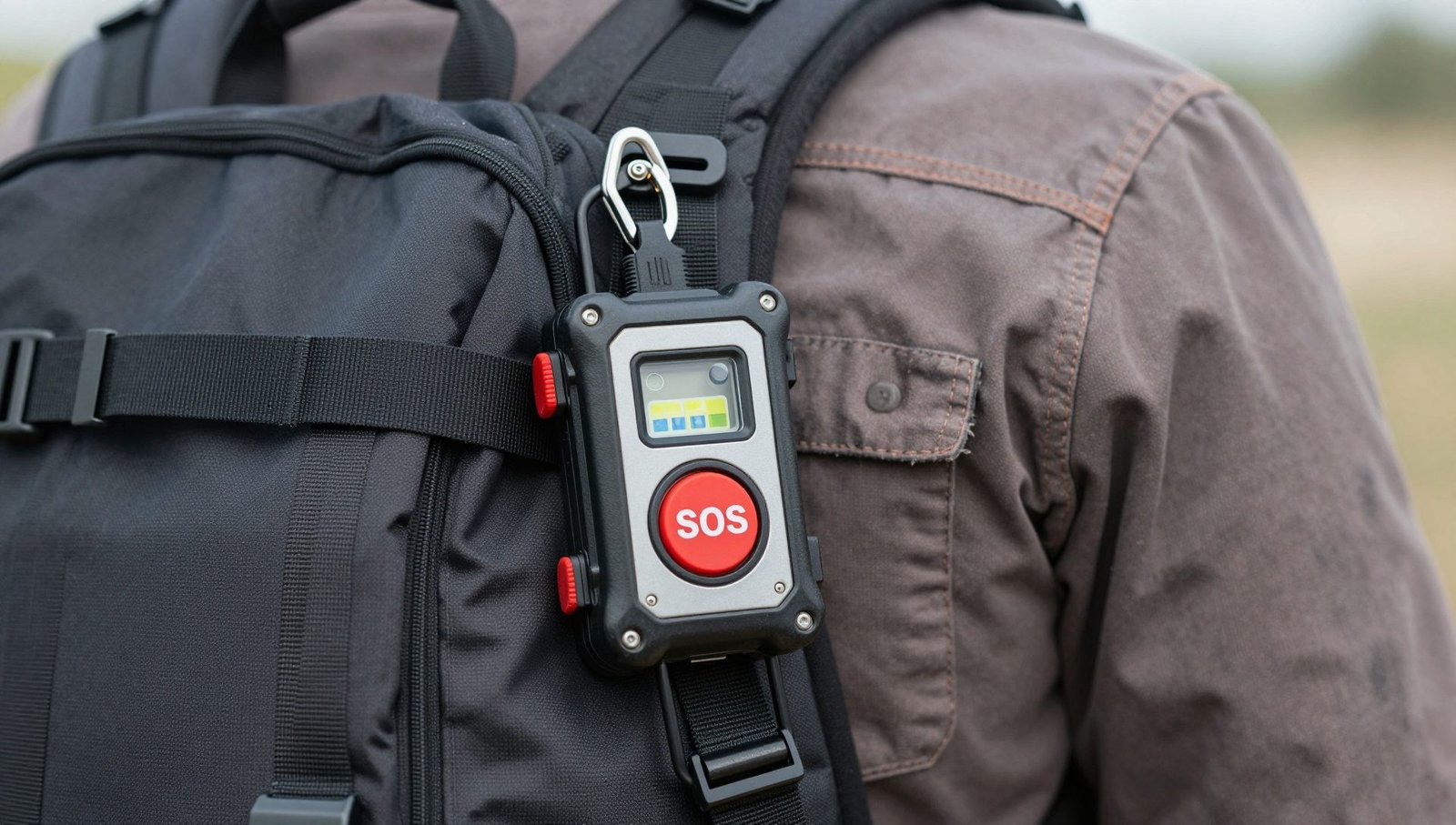

If you work alone, a way to attract attention can offer reassurance, but not every personal alarm does the same job. This review examines the Vantamo alarm’s listed siren, strobe, charging and carrying features, explains the important specification gaps, and helps you judge whether a simple local alert is suitable for your work.
In short: The Vantamo is a compact personal alarm listed with a 130 dB siren, flashing LED, USB-C charging and low-battery notice. It may suit someone who wants a portable sound-and-light alert, but the supplied information does not establish that it shares your location or contacts a monitoring service.
Is the Vantamo a good lone worker safety device?
My verdict, based on the supplied product listing and study notes, is that the Vantamo looks like a convenient local alert, not a complete lone-working system. Its stated combination of siren, strobe and keychain-style attachments is practical on paper. The reported low-battery notice and USB-C charging may also make routine upkeep easier.
That verdict comes with an important qualification: I haven’t physically tested it. The 130 dB figure, claimed battery life and weather resistance are seller statements, and the review summaries are customer reports rather than independent performance tests. The product information also conflicts about the battery type, so I would clarify that before buying.
The alarm could be a useful extra for a worker who wants to make noise and become more visible if someone is nearby. But the supplied material does not specify GPS, automatic check-ins, location sharing or a staffed response service. If your work requires those functions, don’t assume this alarm provides them.
Bottom line: consider it for a portable siren and strobe, but match it to your actual risks and workplace procedures. A device that makes noise can attract attention; it cannot guarantee that help will arrive.
Add a Personal Alarm to Your Workplace Safety Plan
What is the Vantamo personal alarm?
The Vantamo is a small, battery-powered personal alarm designed to be carried on keys, clothing, a bag or a backpack. The listing describes two speakers and a flashing LED strobe. The study notes describe a pull-apart tag or pin that activates the siren and light; reconnecting the parts is reported to stop the alarm.
Its purpose is to provide a noticeable alert during an emergency. The sound may draw attention from people within hearing distance, while the flashing light may make the device or user easier to see, particularly in low-light conditions. Those are different kinds of alert, and together they may be more useful than relying on sound alone.
The supplied listing names three included components: the alarm, a keychain and a keyring. It also says a USB-C charging cable is included. The device is offered in several colours, including Charcoal, Aqua Marine, Clay, Ice Blue, Light Rose, Metallic Aqua, Metallic Sapphire, Mulberry and Snow.
It is still important to be precise about what the product is. The information provided describes an alarm, not a physical self-defence tool or a connected tracking device. The listing does not establish that it sends an alert to a phone, shares your position or summons emergency services.
How loud is the Vantamo alarm, and what does the strobe do?
Vantamo states that the alarm produces 130 dB and describes a dual-speaker design that emits sound from the front and back. The stated aim is to help the sound remain audible if one side is obstructed. That is a manufacturer specification, not a measurement I have independently verified.
Real-world loudness can feel different depending on how close you are, where you use the alarm and what is happening around you. The customer summary is generally positive about the volume, but some reviewers say it did not sound as loud as they expected. I would therefore treat the number as a product claim, not a promise about how far away another person will hear it.
The LED strobe provides a visual alert alongside the siren. The listing calls it intense, and customer feedback often praises its brightness. Some reviewers, however, found the light less effective than expected, especially in daylight. A flashing light is most likely to be noticeable when surrounding light levels are low; it should not be treated as a substitute for a dependable contact method.
If you test the alarm, follow the product instructions and warn people nearby. Because the stated sound output is very high, avoid holding it next to your ear or activating it close to someone without warning. The product page does not give an independent test report or specify the conditions under which the 130 dB figure was measured.
How does the Vantamo alarm activate?
The study notes describe activation by pulling the attached section away from the main unit. Customer feedback also refers to pulling out a pin or tag. According to those notes, reconnecting the parts stops the alarm. Check the current device instructions before relying on this description, as exact operation should be confirmed for the model you receive.
Some reviewers say the attachment takes deliberate force to pull apart. That may help reduce accidental activation when the alarm is clipped to keys or clothing. There is a trade-off, though: if the user has not practised the movement, a firm pull could feel awkward in a stressful moment.
I would test the activation method in a safe place and make sure the worker can identify the part they need to pull. Then practise resetting it according to the manual. Don’t make assumptions based on a product photo or a review; the current instructions are the best guide to the exact steps.
Accessibility matters too. Consider whether the user can operate the tag while wearing gloves, carrying equipment or holding a phone. If more than one person will use the alarm, let each person practise. A device is more useful when its operation is familiar and it is carried somewhere easy to reach.
What are the battery, charging and size details?
The listing describes the alarm as rechargeable and compatible with a USB-C charger or power bank. It says a charging cable is included, and a low-battery notice is intended to warn the user when charge is running low. The seller also claims that one full charge can last up to a year. Actual duration is not independently established in the supplied material, so treat that as a product claim rather than a guaranteed interval.
There is a notable battery-specification conflict. One table describes a lithium-polymer battery, while another says “1 C batteries required (included).” The supplied information does not explain how those statements fit together. I would check the packaging or ask the seller to confirm the exact battery and charging method before purchase.
The listing gives dimensions of 25 × 17 × 97 mm, and another section gives approximately 1.1 × 0.67 × 3.82 inches. It also gives a weight of 2.11 ounces, rounded elsewhere to 0.05 kg. These figures suggest a small item, but check the measurements against the current listing if exact size is important to you.
For day-to-day use, make charging part of an existing routine. Pay attention to the low-battery warning, follow the manual and check the alarm periodically. Don’t rely solely on the stated “up to one year” claim as your maintenance plan.
What do customers say about the Vantamo alarm?
The supplied Amazon listing reports 4.6 out of 5 stars from 6,699 global ratings. Its review summary highlights positive comments about sound, strobe brightness, compact size, portability and USB charging. Some reviewers say the alarm helps them feel more secure, and others describe it as easy to attach to a bag or carry in a pocket.
Feedback is not unanimous. Some customers felt the sound or light was weaker than they expected, while the summary also mentions reports of faults developing over time. A few comments refer to problems with attachments or functionality. These reports are worth considering, but they don’t establish how frequently a fault occurs or predict how a particular unit will perform.
Ratings and customer accounts can help identify common experiences, but they are not the same as controlled testing. The supplied material does not tell us how reviewers tested the alarm, how long they used it, or whether its sound level was measured at a standard distance.
I’d read the review themes as a useful prompt for your own checks: confirm the pull mechanism, test the sound and light as instructed, inspect the attachment and charge the device. If reliability is essential to a work procedure, the employer should also have a way to identify and replace faulty equipment.
What are the main advantages and limitations?
Potential advantages
- Portable format: the supplied dimensions and attachments suggest it is designed for everyday carrying.
- Two alert types: it combines a siren with a flashing LED strobe.
- USB-C charging claim: the listing describes rechargeable power and includes a USB-C cable.
- Low-battery notice: this is intended to warn the user when charge is running low.
- Choice of colours: the listing names nine options.
Limitations to weigh up
- No independent performance data supplied: the 130 dB figure is a manufacturer specification.
- No stated remote response: the supplied description does not specify GPS, automatic check-ins or monitoring.
- Mixed user feedback: some customers report faults or find the volume and light less effective than expected.
- Battery details conflict: the listing refers both to lithium-polymer rechargeable power and to a C battery.
- Weather resistance is unclear: no formal water-resistance rating is provided.
The useful question is not whether the product has more features than a basic keyring. It is whether those features address the risks you have. A sound-and-light alarm may make sense where nearby people could respond. It may be inadequate on its own if workers need a manager or response team to know they are in trouble.
How much does the Vantamo alarm cost in the UK?
The supplied listing does not establish a current UK price. It states that there were no featured offers available, while colour options elsewhere were shown with prices in USD. The captured page also indicates a selected delivery location in the United States, so those displayed prices should not be treated as a confirmed UK price or an offer available to every buyer.
Prices and delivery eligibility can change. Before ordering, check the current Amazon UK page for the exact colour, seller, total price, delivery conditions and return terms. If the product is for workplace use, also consider who will pay for replacement units or accessories and how faults will be handled.
The listing identifies a USB-C cable, keychain and keyring as included components. If any other accessory is important to your decision, confirm that it is included with the precise colour and seller you select. Don’t assume that product details shown for one listing or variation automatically apply to every offer.
Who might the Vantamo suit, and who should look elsewhere?
It may suit someone who wants a small alarm that can be attached to keys, a bag or clothing and used to attract attention nearby. Examples might include a person walking, jogging or commuting alone who wants an extra sound-and-light alert in easy reach. Those are potential uses, not a guarantee that it will prevent harm or bring assistance.
It may also be considered as an additional item in a workplace kit, provided staff understand its limits. For example, a home-visit worker might carry a local alarm while continuing to use the employer’s established check-in procedure and work phone. The alarm could serve a different purpose from those tools.
You should look at other options if your requirement includes location sharing, scheduled check-ins, an escalation process or a staffed monitoring service. The supplied Vantamo information does not confirm those features. A connected service may be more relevant, but its coverage, response process and operating costs would need to be checked separately.
The best choice depends on the worker’s environment and needs. Consider nearby people, phone coverage, the worker’s ability to activate the device and what colleagues are expected to do after an alert. If you are buying for a team, ask workers to try the carrying position and activation method before deciding.
How does a personal alarm compare with a phone or monitored system?
| Option | Main role | Question to ask before choosing |
|---|---|---|
| Personal siren alarm | Makes a local sound and, in this case, flashes a light | Is someone likely to be close enough to notice and respond? |
| Mobile phone | Can support contact with a colleague or emergency services | Will the worker have it, keep it charged and have usable signal? |
| Monitored lone-worker service | May provide a defined alert and response process, depending on the service | Who receives the alert, how is location handled and what happens next? |
This is a category comparison, not a claim that every phone app or monitored service has the same functions. Check the actual features, coverage, response arrangements and costs of any alternative before choosing it.
For some work, two methods may complement each other: a local siren for nearby attention and a phone or service for remote contact. For other work, a portable alarm may not be the right main tool. Choose based on the response you need, not just the device’s headline specification.
How should you use the alarm in a workplace safety plan?
Start by deciding what a worker should do in different situations. A personal siren is only one part of that plan. The employer should clarify who the worker contacts, how check-ins work and what action follows if a check-in is missed. The supplied product information does not provide those workplace procedures.
Consider a worker leaving a late appointment in an area where other people may be nearby. A siren might help attract local attention, while a work phone and check-in system could support communication with colleagues. In a remote location, the same siren may not be enough if there is nobody within hearing distance. The plan must match the actual working environment.
For team use, agree on basic practices:
- Keep the alarm somewhere accessible, not buried in a bag.
- Explain and practise the activation and reset method.
- Follow the manual for testing and charging.
- Set a process for reporting faults and replacing faulty units.
- Make clear how workers request help and what colleagues should do next.
This is practical guidance, not a substitute for a workplace-specific assessment. For safety decisions, consult a qualified workplace health-and-safety professional who can assess the work and the response arrangements required.
Frequently asked questions
Does the Vantamo alarm call emergency services?
The supplied product information does not say that it calls emergency services or alerts a monitoring centre. Treat it as a sound-and-light alarm unless the seller confirms additional connected features for the exact model. If you need remote assistance, check a suitable phone or monitored system separately.
Is the Vantamo alarm waterproof?
The seller describes it as weather-resistant, but the supplied material gives no formal water-resistance rating. That description does not establish that the alarm is waterproof or safe to submerge. Check the current manual or ask the manufacturer about its limits before exposing it to rain or water.
Can you turn the Vantamo alarm off after activation?
The study notes say reconnecting the detached parts is reported to stop the alarm. Confirm the exact reset method in the current instructions, then practise it safely. Don’t rely on a review or summary if the manual supplied with your unit gives different instructions.
How long does the battery last?
The seller claims that a full charge can last up to a year, and the listing describes a low-battery notice. The supplied content does not independently verify that duration, and battery details conflict between sections. Check the manual, charge as instructed and act on low-battery warnings.
What comes with the Vantamo personal alarm?
The listing names the alarm, a keychain, a keyring and a USB-C charging cable as included components. Confirm the contents against the exact product offer you plan to buy, especially if you are choosing a different colour or seller.
Is this alarm suitable for every lone-working job?
No single product feature establishes suitability for every role. The Vantamo listing describes a local siren and strobe, but does not confirm tracking or monitoring. Consider the work location, nearby help, communication needs and workplace procedures before selecting equipment.
Your next step
Before buying, check the current UK listing and manual for the exact battery type, activation method, price and included accessories. Then compare the alarm’s local siren-and-strobe role with your workplace’s check-in and response plan. If that plan is unclear, ask a qualified workplace safety professional to review it before relying on any device.