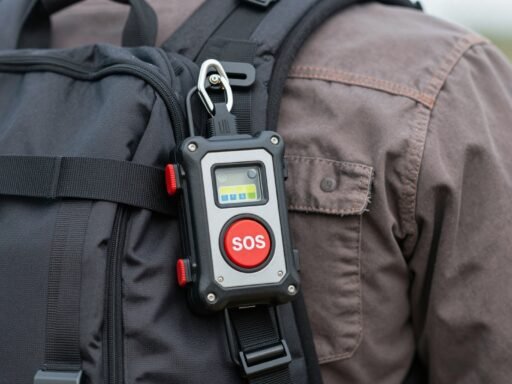


How should you use the alarm in a workplace safety plan? Treat it as one alerting tool within a clearly defined response process, not a stand-alone safeguard. This guide helps you set activation expectations, assign follow-up actions, and plan access, charging and practice, while noting what the Vantamo listing does not establish.
In short: Define when staff should activate the alarm, how colleagues should respond and how to get further help. Keep the device accessible and maintained, and follow its instructions; an alarm does not replace a workplace emergency plan.
What can a personal alarm add to a workplace plan?
The Vantamo alarm is described as producing a loud siren and a flashing LED strobe. The manufacturer lists a sound output of 130 dB and says the device has two speakers. These are product specifications and claims, not a guarantee of what someone will hear or see in every workplace.
For planning purposes, treat the alarm as a signal that may alert people nearby. The flashing light may help make the device or its user more visible, particularly in low-light conditions. The listing does not establish the alarm’s effective range or explain how it should connect to workplace emergency systems.
What should the plan define before staff carry one?
Before introducing an alarm, decide what situations it is meant to signal and what staff should do when they hear or see it. The product listing does not set workplace rules, assign response roles or explain how an alarm should fit with existing procedures.
Write down the local process in plain language. Identify who may activate the alarm, who should respond, how staff should summon further help, and what to do if the usual contact is unavailable. Have the responsible workplace safety professional check that these arrangements fit the organisation’s existing emergency procedures.
How should you use the alarm in a workplace safety plan?
Set a clear activation rule
Tell staff what circumstances call for activating the alarm and how to do so. The supplied notes describe a pull-pin or detachable tag that triggers the siren and light. Check the specific unit’s instructions before writing a procedure; do not assume every staff member will already know how its parts work.
Explain what happens after activation
An alarm is only one part of the response. State who should check the situation, how colleagues can communicate with the person needing help and when to escalate to the workplace’s established emergency contacts. Keep instructions consistent with the site’s existing response plan.
Keep the device reachable
The listing includes a keychain and keyring for carrying the device on a bag, backpack or keys. Choose a carrying method that leaves the alarm accessible to the person expected to use it. A device stored out of reach may not be practical during a stressful moment.
Plan charging and battery checks
The product is described as rechargeable through USB-C and includes a low-battery notice. The listing also contains conflicting battery information, so check the device instructions to confirm the correct charging and battery details. Assign responsibility for checking charge status as part of your workplace’s chosen maintenance routine.
Practise the response safely
Make sure staff can identify the alarm and understand their assigned actions. If demonstrating activation, follow the manufacturer’s instructions and arrange the demonstration so it is controlled and appropriate for the workplace. The supplied source does not provide a training method or test schedule, so establish those with the responsible safety professional.
What mistakes should you avoid?
Do not treat the alarm as a substitute for staff training, communication or the workplace’s established emergency arrangements. The listing presents the device as an attention-attracting aid; it does not promise that help will arrive or that an incident will be prevented.
Avoid assuming that the stated 130 dB specification guarantees a particular result at every distance or in every environment. The source notes that perceived loudness can vary, and reviewers reported differing experiences. Also avoid calling the device waterproof: the listing says weather-resistant but provides no formal rating in the supplied text.
How can you tell whether the plan is usable?
Review the procedure with the people expected to carry the alarm and respond to it. They should be able to explain, in their own words, when to activate it, what others should do next and how to request further assistance.
Check that the chosen carrying method is accessible, that someone is responsible for charge checks, and that the written steps match the device instructions. These checks help identify gaps in the plan; they do not establish that the alarm will perform a particular way in a real incident.
Frequently asked questions
Can a personal alarm replace a workplace emergency plan?
No. The supplied material describes the alarm as a signal device, not a complete response system. A workplace plan still needs to define what staff should do, who should respond and how to request further assistance. Have a qualified workplace safety professional review how the device fits into existing procedures.
Who should carry the alarm at work?
The product listing does not say which workplace roles should carry it. Decide this through the workplace’s own risk assessment and safety procedures, considering who may need to use the device and how they can keep it accessible. Make sure any carrying arrangement does not prevent quick access.
How often should the alarm be checked or charged?
The supplied material does not specify a workplace check or charging schedule. The manufacturer says a full charge can last up to a year, but actual duration can depend on use and storage. Follow the device instructions and set a maintenance routine appropriate to your workplace.
Is the Vantamo alarm waterproof?
The listing describes the alarm as weather-resistant but does not provide a formal water-resistance rating in the supplied material. Do not assume that this means it is waterproof. Check the device instructions for care and exposure limits, especially if staff may use it outdoors or in wet conditions.
What is the next step?
Ask your workplace’s responsible safety professional to review your existing emergency procedure and write down the alarm’s activation and response steps. Before putting the device into use, confirm its operating and charging instructions against the supplied manual.
For safety decisions, consult a qualified workplace health and safety professional.